

Losing weight with a gluten-free diet – is it really possible?
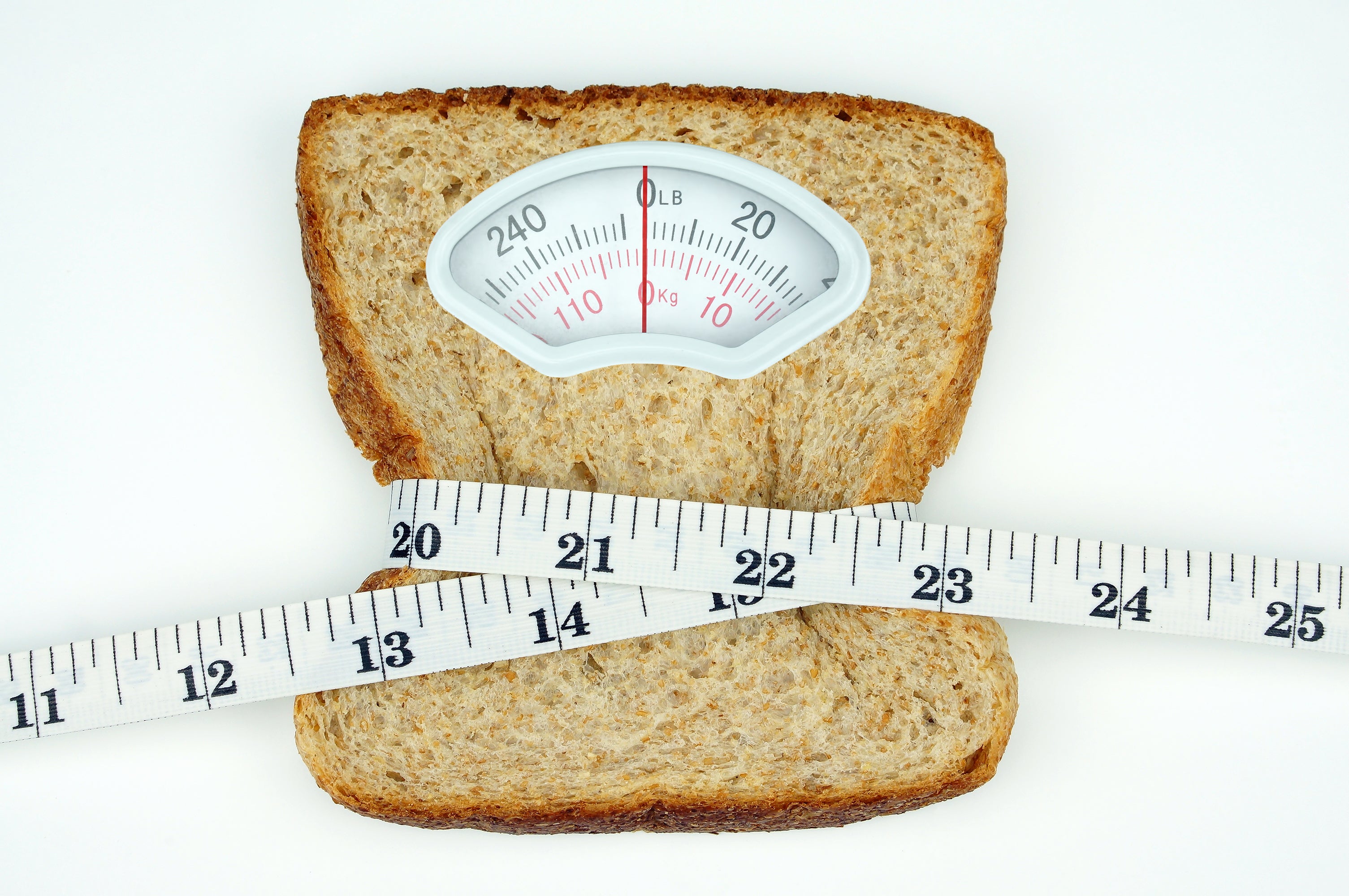
Gluten-free diets are currently a hot topic for anyone looking to lose weight. But what's behind it? Is gluten responsible for our "love handles"? The answer is "No," but a gluten-free diet combined with a healthy lifestyle can lead to significant weight loss – so let's shed some light on the matter here.
What is Gluten?
Gluten is a protein found in wheat, rye, barley, and related grains, and therefore in foods like pasta or bread, as well as in countless processed ready-made products added for technological reasons. Gluten itself is composed of amino acids, some of which are difficult for us to digest. Therefore, consumption should be limited for this reason alone.
What is the difference between celiac disease and gluten sensitivity?
Some people have to live gluten-free because they have celiac disease. Celiac disease is an immunological disease of the intestine triggered by even very small gluten intake. The body's immune response to gluten damages the small intestinal mucosa and leads to a regression of the intestinal villi. Symptoms can be diverse and range from abdominal pain, bloating, nausea, and diarrhea to anemia and growth disorders, especially in children. In untreated celiac disease, the absorption of nutrients such as vitamins and minerals is generally significantly reduced and often leads to drastic weight loss.
Other people avoid gluten due to gluten sensitivity. This non-celiac gluten sensitivity (NCGS) causes very similar symptoms to celiac disease, but without an immune response. People who are gluten-sensitive have an individual tolerance threshold for how much gluten they can tolerate without developing symptoms.
Why do people avoid gluten to lose weight?
There is absolutely no evidence that simply removing gluten from foods or abstaining from gluten-containing foods leads to weight loss. However, if you frequently eat gluten-free, this can lead to more unprocessed whole foods such as fruits, vegetables, legumes, and lean meats being on your menu. This dietary change is usually significantly healthier and lower in calories.
People who eat gluten-free also tend to choose healthier foods because they are aware of the need to read food labels.
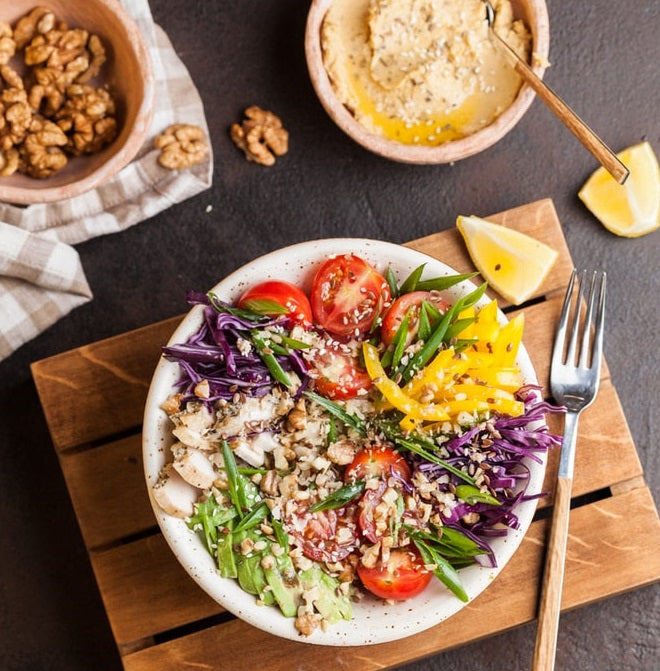
Swapping a cheeseburger and fries for a gluten-free meal of salad, chicken breast, and sweet potato means choosing a much lower-calorie meal. Over time, this can lead to natural weight loss.
Aren't all gluten-free foods healthy?
Gluten-free doesn't necessarily mean healthy, as not all gluten-free foods are equally nutritious.
An apple and a "gluten-free" sugar cookie are both gluten-free, but their nutrients and energy content vary drastically.
Supermarkets, drugstores, and health food stores are full of gluten-free cakes, cookies, sweet treats, and ready-made products. These foods are often high in sugar and fat, making them naturally high in calories. Therefore, you should definitely read food labels and nutritional information before buying anything!
Is it safe to eat gluten-free, even if you don't have celiac disease or gluten sensitivity?
Absolutely! Some people, including many well-known professional athletes, choose a gluten-free diet because a conscious selection of gluten-free foods provides them with a structure for healthier eating and a healthy lifestyle.
What is important is a varied and balanced diet rich in fruits, vegetables, and legumes to avoid vitamin and mineral deficiencies and to provide the body with sufficient fiber. In addition, sufficient fluid intake, a healthy normal weight with a BMI between 18.5–24.9, and a healthy lifestyle with plenty of exercise should be ensured.
The Bottom Line
A gluten-free diet is typically followed by individuals who cannot tolerate gluten due to intolerances such as celiac disease or gluten sensitivity, i.e., for pathophysiological reasons. However, some people choose a gluten-free diet to eat healthier.
It does no harm to avoid gluten as long as a balanced diet rich in fruits, vegetables, and legumes is maintained. So make sure that your selection of gluten-free foods and grain substitutes such as buckwheat, quinoa, or brown rice are predominantly whole grain.
You only lose weight if you expend more calories or energy than you consume, and not by avoiding gluten or consuming gluten-free convenience products. And remember that in addition to diet, regular physical exercise is also an important part of weight management and a healthy lifestyle.

Share:
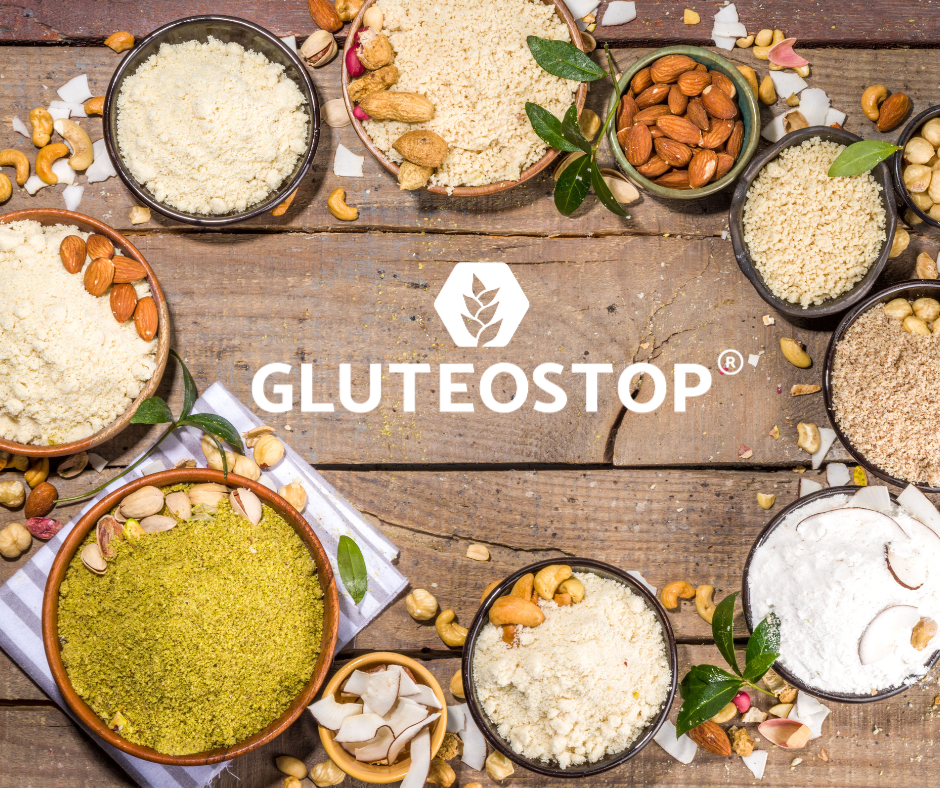
Gluten-free Flour Alternatives