


Fighting Hidden Gluten
Perhaps you're trying to eat gluten-free and think it's working well. But then there are recurring incidents where you know you've inadvertently consumed gluten and experience symptoms. Unfortunately, something similar happens to many people who want to eat gluten-free or even have to eat gluten-free. A recent study published in the prestigious American Journal of Clinical Nutrition shows that even celiac patients who follow a strict gluten-free diet inadvertently consume an average of 150-400 mg of gluten per day. As a result, their health cannot improve, and they suffer from the typical symptoms of celiac disease. The reason for this is often that we mistakenly assume certain foods are gluten-free, but they are, in fact, a source of hidden gluten.
Where are the hidden gluten sources?
Breakfast cereals like puffed grains or cornflakes are often sweetened with barley malt. Therefore, it's crucial to make sure you choose the gluten-free option, which is now available. Always check the label. You should also be very careful with oatmeal and oat products. For one, oats are often contaminated with other grains, and for another, science is not yet sure whether certain oat varieties also contain gluten-like protein components that can cause symptoms, similar to wheat gluten.
With grain products, it's still obvious that gluten could be hiding there. But what about salad dressing, soy sauce, chips, soups, sweets, medications, ice cream? Sometimes it feels like gluten is hiding around every corner.
Checking whether a product is "gluten-free" has become somewhat easier with the new so-called Food Information Regulation. Today, products labeled as "gluten-free" must contain less than 20 ppm of gluten. But be careful! This only means that products must have less than 2 mg of gluten per 100 g. For very sensitive people, even 10 mg of gluten can trigger symptoms. So it's still important to meticulously search for hidden gluten sources like Sherlock Holmes to avoid accidentally buying gluten-containing products or inadvertently consuming gluten when eating out.
So, what can we do?
It's best not to use products that are not clearly "gluten-free" or for which the manufacturer has confirmed their gluten-free status. We should memorize these products and add them to our imaginary list of "safe" products. Now, that might be the safest approach for people with celiac disease or severe reactions to gluten, but for people with a lower gluten sensitivity or individuals who want to eat gluten-free for other reasons, there are ways to protect yourself by following some basic rules when shopping and eating.
This includes knowing and memorizing the "usual suspects" among the candidates for "hidden" gluten ingredients. We like to call these the "red" ingredients, which carry a certain risk of hidden gluten.
There are obvious gluten sources, like "wheat flour," which can, however, be hidden in products where you wouldn't expect them, such as liquorice candies, chips, and soups. Wheat-containing products should clearly indicate this, e.g., in bold type, in the ingredients list, as it is one of the most important allergens. According to the law, this includes gluten-containing cereals, namely wheat (such as spelt and Khorasan wheat), rye, barley, oats or their hybrid strains, as well as products made from them. However, it seems that not all ingredients that may contain gluten are always marked. This is especially true for unpackaged products at open counters or in restaurants. Not to mention when you're invited to friends' houses.
What do typical gluten-containing foods look like and what do they taste like?
There are two options. Either you read every label you get your hands on, as I do, before putting anything in your mouth, or you should memorize the products that often contain hidden gluten: canned soup, salad dressing, fries, ice cream, pasta (even some rice or buckwheat noodles contain added wheat flour) and many ready meals, fast food or snack foods. Conveniently, the foods known to be the safest in terms of gluten content, such as fresh fruits and vegetables, are better for our health anyway!
How can you sharpen your mind for foods that may contain hidden gluten? Ideally, you know if something contains gluten before it's on the table in front of you, waiting to be eaten. But sometimes misunderstandings occur beforehand. Especially when traveling and there's a language barrier to overcome. Or if a "gluten-free" diet is an unknown dietary concept in the countries you're visiting. It can help to know typical "gluten traps" and to ask again, more than once, whether certain ingredients were used in preparation. Often, when reading the menu, you already have a certain suspicion and look out for suspicious ingredients. The alarm bells should go off with the following characteristics:
- Dark and salty sauces (suggests soy sauce might be an ingredient)
- Thick and/or opaque sauces (possibly thickened with wheat flour/wheat flour-based)
- Creamy soups (wheat flour may have been used as a thickener)
- Foods that appear to be fried (may have been breaded with wheat flour/gluten-containing breadcrumbs/possibly fried in the same oil as gluten-containing products beforehand)
Continuous learning and open communication are key
Yes, it often feels like gluten secretly infiltrates some of the most unexpected places. However, the more you know what to look out for, the better you can handle situations and avoid falling into too many "gluten traps." It is important to read the labels of products carefully. Especially ready-made products and heavily processed foods. Many unknown ingredients can be looked up online today. When eating out, if in doubt, you should always ask the waiter or cook, or explain to friends that you eat gluten-free. If they don't understand what you're talking about, you should be especially careful. But you should also use this opportunity to educate others about gluten-free eating, celiac disease, and gluten intolerance.
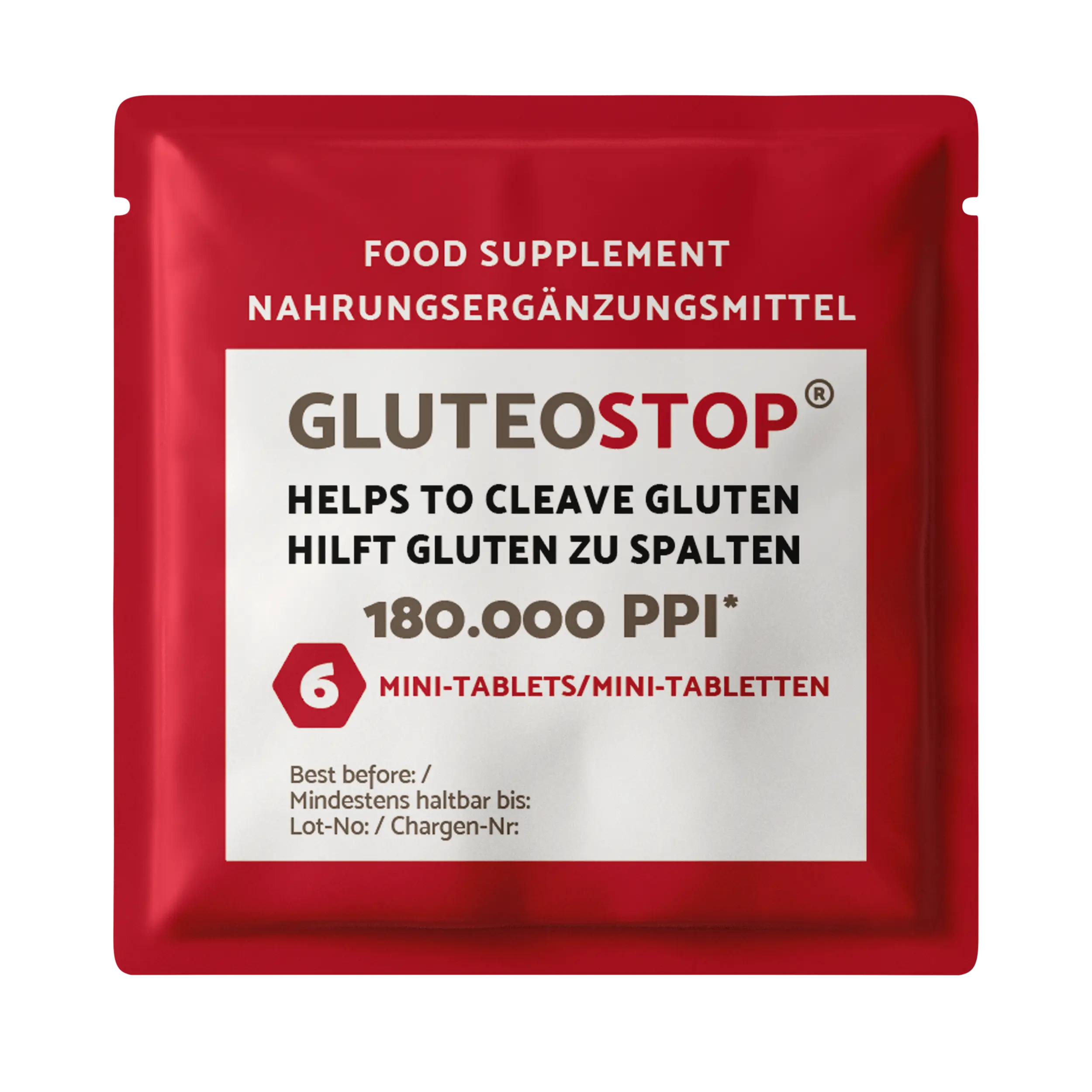
Insidious, hidden gluten can appear anywhere. I've discovered GluteoStop® for myself to further reduce the amount of inadvertently ingested gluten in addition to my strict gluten-free diet. But always being vigilant, having knowledge of "red" ingredients, even those that are not immediately apparent as "gluten-containing," and communicating with the people who prepare our food are the best key techniques to avoid hidden sources of gluten.
What were your gluten traps? Where else have you found hidden gluten? Please share your experiences with hidden gluten on our GluteoStop® Facebook page at: https://www.facebook.com/gluteostop/.
Stay healthy!
Your Lisa


Share:
Special Occasions and Gluten-Free Diet
Enjoy gluten-free in… Berlin