

The protein gluten is a natural component of many grain-containing foods. Today, you often find labels on foods that identify them as "gluten-free." What is behind gluten? And what exactly is gluten sensitivity?
Where is gluten found?
Naturally gluten-containing foods are generally only those made from or containing gluten-containing grains. Gluten-containing grains include: wheat, rye, barley, spelt, green spelt, and ancient grains like einkorn, emmer, and kamut. Consequently, all products made from these grains also contain gluten. In particular, new grain varieties contain a lot of the indigestible amino acid proline, which is a component of gluten. Oats and buckwheat can also come into contact with gluten during the manufacturing process and thus be contaminated.
Which foods contain gluten?
Foods made from the grains mentioned above naturally contain gluten. These include, for example, conventional baked goods, pasta, cereals, and dough products. Some foods have additional gluten added, which increases the gluten content in these foods. Also, foods that would normally be gluten-free may have been contaminated with gluten during the manufacturing process. This applies, for example, to cornflakes, polenta, couscous, and oatmeal. For technical reasons, for example, for binding, flavor enhancement, or preservation, gluten or gluten-containing wheat flours are added to some products, such as ready meals, confectionery, or ready-made sauces.
What is gluten sensitivity?
The term gluten sensitivity and the associated symptom complex have received increasing attention in recent years. Today, about 5.7 million people in Germany are considered gluten-sensitive. Gluten sensitivity describes a set of symptoms that appear after consuming gluten and resemble those of irritable bowel syndrome. It is clearly distinct from celiac disease and a wheat allergy.
How do I know if I have gluten sensitivity?
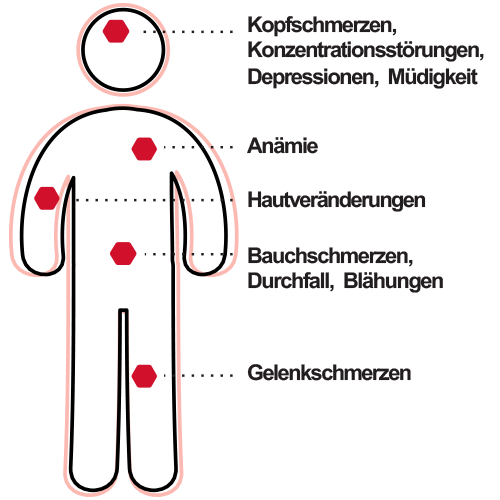
Symptoms of gluten sensitivity appear after consuming gluten-containing foods. These include abdominal pain, diarrhea or constipation, fatigue, headaches, bloating, joint and muscle pain, dizziness, skin changes, and depressed mood. With a low-gluten diet, symptoms usually improve within a short time.
The symptoms are also typical of irritable bowel syndrome, so there can be confusion in diagnosis, especially if it has not been made by a doctor. As a result, the symptoms are not treated correctly and therefore do not fully subside.
How can I determine if I am gluten sensitive?
Diagnostic options for gluten sensitivity are currently limited to exclusion diagnostics. Celiac disease, which is an autoimmune disease, and a wheat allergy can be clearly identified and therefore also clearly ruled out. If these diseases have been ruled out, a so-called elimination diet is carried out to diagnose gluten sensitivity. Here, wheat-containing products are initially excluded from the diet. If the symptoms improve, wheat-containing products are consumed again. If symptoms recur, they are attributable to wheat and gluten sensitivity is likely present.
What can I do if I have gluten sensitivity?
The only recommendation for gluten-sensitive people so far is a gluten-free or low-gluten diet to reduce symptoms. Whether a complete exclusion of gluten from the diet is necessary is still unclear. It may be individually possible that small amounts of gluten do not yet cause symptoms. However, no study results are available on this yet.
Which foods are allowed?
Unprocessed foods are generally gluten-free, as long as they do not naturally contain gluten and have not been mixed with gluten-containing foods during the manufacturing process. These include, for example, rice, corn, millet, buckwheat, quinoa, nuts, oils, herbs and spices, fruits and vegetables, meat or fish, milk and dairy products such as quark, cheese, and yogurt.
Numerous gluten-free products are now available, which are specially produced without gluten or in which the gluten contained has been broken down with the help of enzymes during the manufacturing process. These products generally cost more than conventional products and are usually more highly processed. The fat and sugar content is often higher, and the fiber content is significantly lower. Important micro- and macronutrients can thus be supplied in unfavorable quantities, so it cannot be said that gluten-free products are automatically healthier. Foods labeled "gluten-free" may legally still contain traces of a maximum of 2 mg of gluten per 100 g of food. This means that even with a supposedly "gluten-free" diet, up to 400 mg of gluten can easily be consumed daily. These residual amounts of "hidden" gluten can be sufficient for sensitive individuals to already show the symptoms described above.



Share:
Can gluten be the cause of skin problems?